Fagiolini all'aglio imburrati con scorza di limone

Buttered Garlic Runner Beans with Lemon Zest

Servings

4

Prep Time

10 minutes

Cook Time

7 minutes

Calories

90

Cuisine

British

Category

Side Dish

Runner beans are a classic garden vegetable, particularly popular in British kitchens, where they’re celebrated for their long, flat pods and fresh, earthy flavour. Unlike French beans, runner beans have a slightly more robust taste and a meatier texture, making them ideal for sautéing, boiling, or even baking into casseroles. 


This simple recipe brings out the natural sweetness of runner beans with the addition of butter, garlic, and a splash of lemon juice, creating a side dish that’s both refreshing and deeply satisfying.


What makes runner beans so special is their versatility and seasonality. Harvested in summer and early autumn, they capture the essence of homegrown produce straight from the garden to the table. This preparation is quick, nutritious, and elevates a humble vegetable into something that feels elegant. 


Whether served alongside roasted meats, grilled fish, or enjoyed as a plant-based dish on its own, runner beans with garlic and lemon bring balance and brightness to any meal. They’re the kind of dish that proves simplicity in cooking often delivers the boldest flavours.

Buttered Garlic Runner Beans with Lemon Zest

Ingredients

  • 1 lb (450 g) fresh runner beans, trimmed and sliced on the diagonal

  • 2 tablespoons unsalted butter (or olive oil for lighter version)

  • 2 cloves garlic, thinly sliced

  • 1 teaspoon lemon zest

  • 1 tablespoon fresh lemon juice

  • Salt and black pepper, to taste

  • Optional: 2 tablespoons toasted almonds or pine nuts for garnish

Directions

  1. Trim both ends of the runner beans and slice them diagonally into 2-inch strips.

  2. Bring a large pot of salted water to a boil, add the beans, and cook for 4–5 minutes until just tender but still bright green. Drain and set aside.

  3. In a skillet, melt the butter over medium heat and add the garlic slices. Cook for 1–2 minutes until fragrant but not browned.

  4. Toss in the drained beans, stir to coat, and cook for another 2 minutes.

  5. Season with salt, pepper, lemon zest, and lemon juice.

  6. Transfer to a serving dish, garnish with toasted almonds or pine nuts, and serve warm.

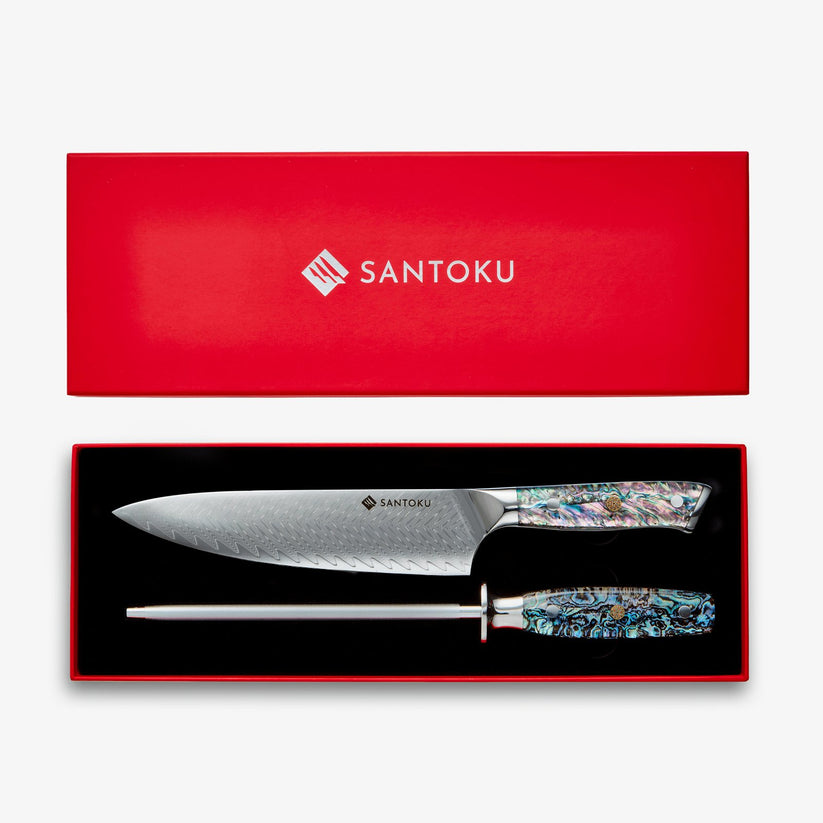
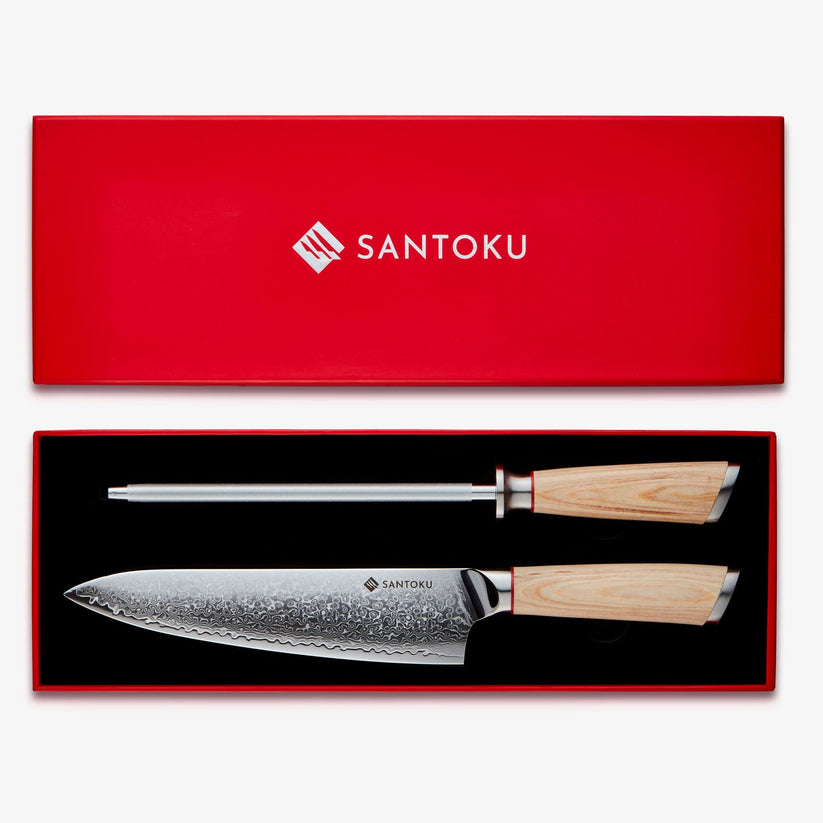
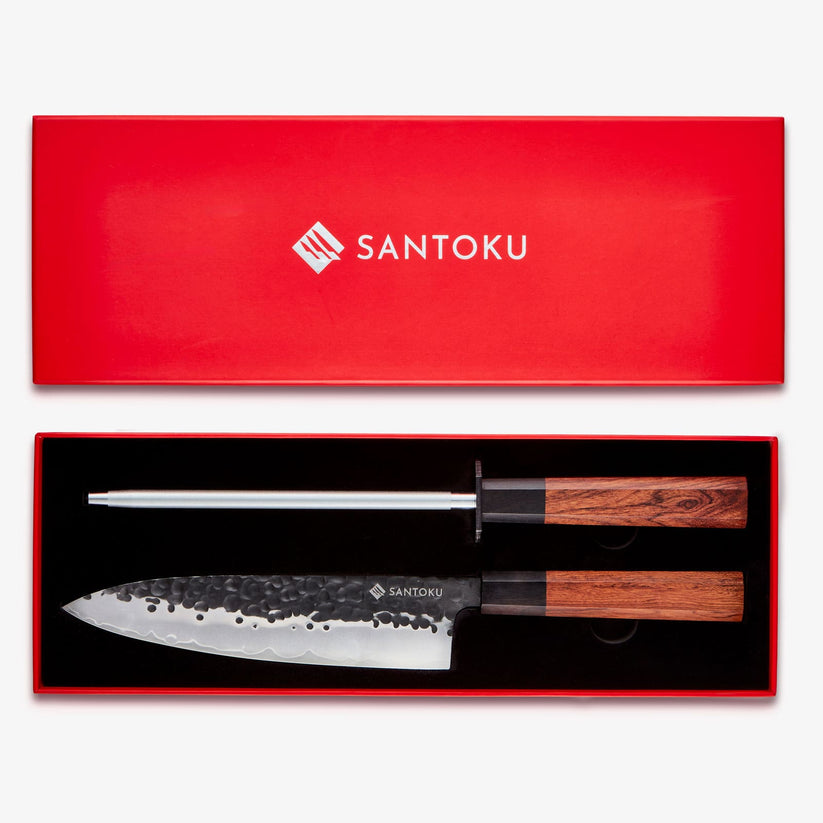
Upgrade Your Kitchen Tools

Make recipe prep easier with professional-grade knives

Browse Collection


10 consigli per cucinare i fagiolini

  1. Scegli fagioli giovani e teneri per la migliore consistenza.

  2. Taglia sempre entrambe le estremità e rimuovi eventuali bordi fibrosi.

  3. Tagliare in diagonale per una presentazione più attraente.

  4. Non bollire troppo: perdono rapidamente sapore e colore.

  5. Sbollentare i fagioli prima di saltarli per mantenerli di un verde brillante.

  6. Abbinalo agli agrumi (come il limone) per esaltarne la naturale dolcezza.

  7. Usa burro o olio d'oliva per arricchire, ma non sovraccaricare.

  8. Aggiungi croccantezza con noci o semi per una consistenza extra.

  9. Condisci leggermente: i fagiolini brillano di sapori semplici.

  10. Servire subito dopo la cottura per preservarne la freschezza.


Servitelo con suggerimenti

  • Cene di pollo arrosto o tacchino

  • Pesce alla griglia con burro al limone

  • Casseruole e stufati abbondanti

  • Insalate fresche dell'orto

  • Come parte di un piatto di verdure estive


Domande frequenti

D: I fagiolini devono essere sbucciati?
R: No, basta tagliare le estremità e rimuovere eventuali fili duri, se presenti.

D: Posso congelare i fagiolini?
R: Sì, sbollentateli prima per 2 minuti, poi congelateli in sacchetti ermetici.

D: Qual è la differenza tra fagiolini e fagiolini?
R: I fagiolini sono più grandi, più piatti e hanno un sapore più robusto rispetto ai fagiolini sottili.

D: Come posso evitare che i fagiolini perdano il loro colore verde?
R: Sbollentare brevemente in acqua bollente salata, quindi raffreddare in acqua ghiacciata prima di cuocere ulteriormente.

D: I fagiolini sono salutari?
R: Sì, sono ricchi di fibre, vitamina C e proteine vegetali pur essendo poveri di calorie.

Chef's Recommendation

"A sharp knife is your best friend in the kitchen. For recipes like this, I always reach for my Chikashi chef knife - it gives me the control and precision I need for perfect results every time."
Chef's Note: A sharp knife not only makes prep work faster but also safer - dull knives require more pressure and are more likely to slip.

Discover why our Japanese-style knife sets are trusted by home cooks and professionals alike.

Shop Professional Knives →
Torna al blog