Pane a liscio a liscio artigiano con crosta croccante e briciola aperta

Artisan Sourdough Bread with Crispy Crust and Open Crumb

Servings

12 slices

Prep Time

1 hours

Cook Time

45 minutes

Calories

180

Cuisine

European

Category

Bread

Sourdough is more than bread — it’s a ritual, a journey, and a labor of love. With its naturally fermented structure and deeply complex flavour, sourdough connects us to generations of bakers who mastered the slow process of transforming just flour, water, and salt into something transcendent. 


Every loaf is a story, told through time and temperature, wild yeast and care. The crisp crust that shatters under your knife, the chewy, tangy interior full of uneven holes — this is bread at its most alive.


This recipe embraces a traditional method with an overnight cold ferment to deepen flavour and improve texture. The result is a beautiful artisan loaf, ideal for toast, sandwiches, or tearing into at the table with butter and sea salt. 


It’s a loaf that demands patience but rewards you with unparalleled freshness, digestibility, and satisfaction. Once you get into the rhythm of sourdough, it becomes more than a recipe — it becomes part of your lifestyle.

Artisan Sourdough Bread with Crispy Crust and Open Crumb

Ingredients

  • 500g (about 4 cups) bread flour

  • 100g (about 1/2 cup) active sourdough starter (100% hydration)

  • 350g (about 1 1/2 cups) water, room temperature

  • 10g (about 2 tsp) fine sea salt

Directions

  1. In a large bowl, mix the starter and water until the starter dissolves. Add the flour and mix by hand or with a dough hook until no dry flour remains. Let rest (autolyse) for 30 minutes.

  2. Sprinkle in the salt and mix to incorporate. Use stretch-and-folds or kneading for 3–4 minutes until smooth.

  3. Cover and let the dough bulk ferment at room temperature (21–23°C/70–74°F) for 4–6 hours, performing 3–4 sets of stretch-and-folds every 30 minutes.

  4. Once dough has risen about 50%, gently turn it out onto a lightly floured surface. Pre-shape into a round, rest for 20 minutes.

  5. Final shape into a tight round or batard. Place into a floured proofing basket. Cover and refrigerate overnight (8–12 hours).

  6. Preheat oven to 250°C (475°F) with a Dutch oven inside.

  7. When ready to bake, turn dough onto parchment paper, score the top, and carefully place in hot Dutch oven. Cover and bake for 20 minutes.

  8. Remove lid and bake uncovered for another 20–25 minutes until golden and crisp.

  9. Cool completely on a wire rack before slicing.

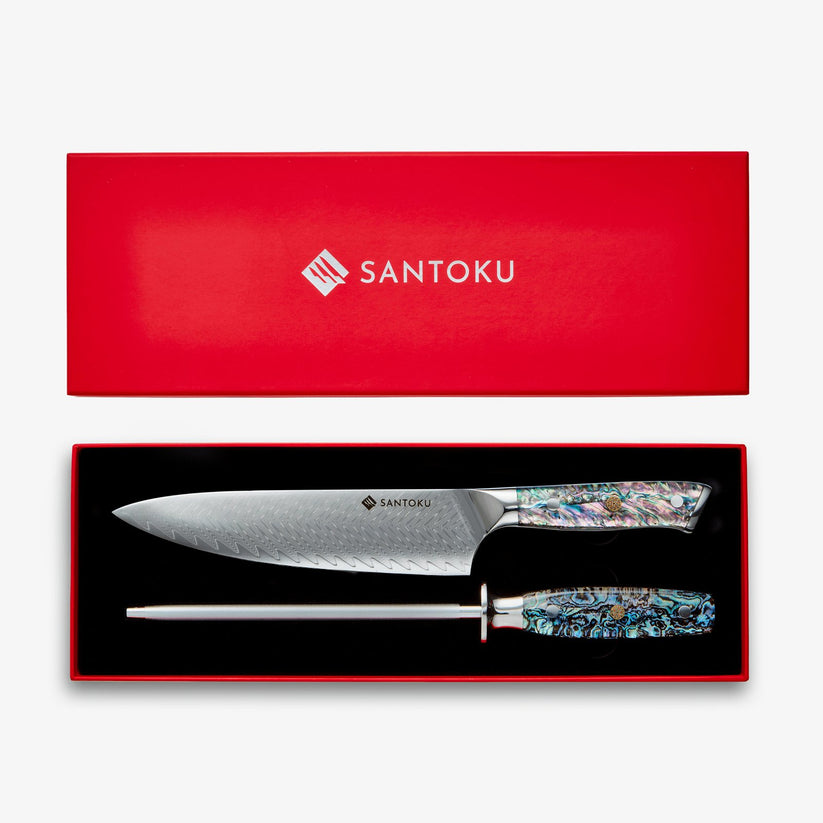
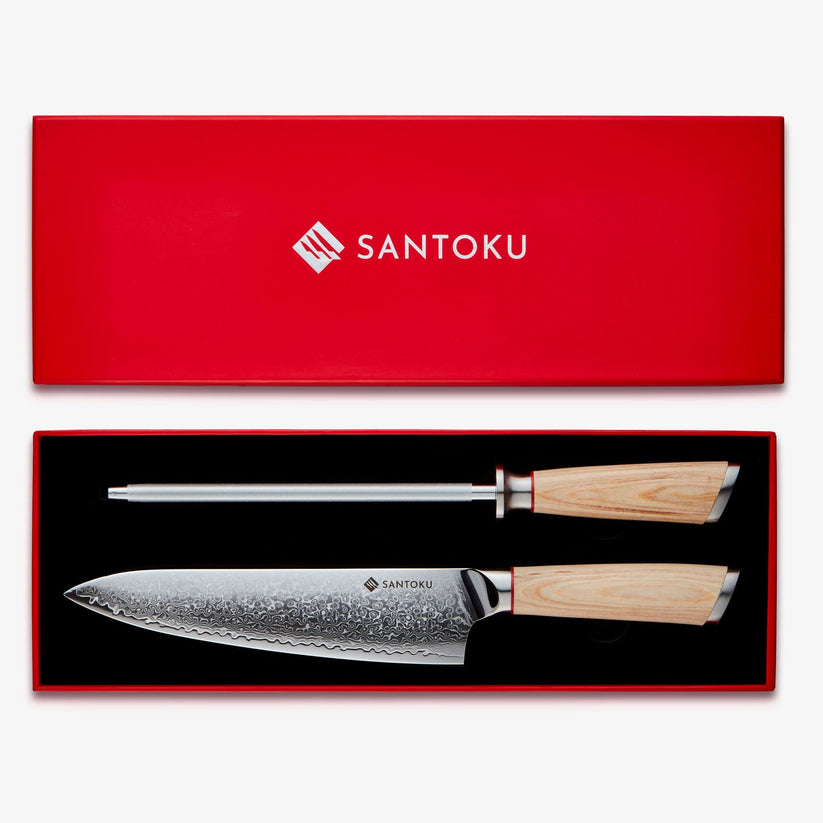
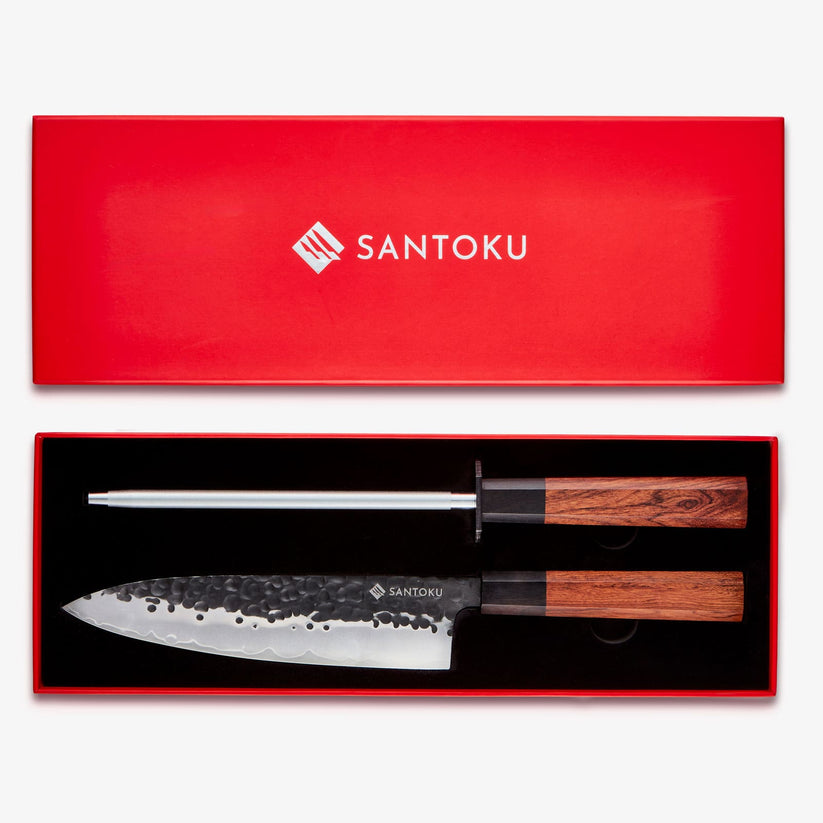
Upgrade Your Kitchen Tools

Make recipe prep easier with professional-grade knives

Browse Collection

Suggerimenti per cuocere a lievito naturale

  1. Usa un antipasto attivo e frizzante che è stato alimentato 4-6 ore prima della miscelazione.

  2. Consentire abbastanza tempo di fermentazione di massa: sviluppa sapore e struttura.

  3. Esegui delicatamente allungamenti e pieghe per rafforzare l'impasto.

  4. Usa una bilancia da cucina: a lievito naturale è tutto sulla precisione.

  5. Segna la pagnotta in profondità e con sicurezza per una buona primavera del forno.

  6. Usa un forno olandese preriscaldato per intrappolare il vapore e migliorare la crosta.

  7. Lascia raffreddare completamente la pagnotta prima di tagliare - tagliando le prime rovine la briciola.

  8. La pratica rende perfetti: ogni cottura ti insegna qualcosa.

  9. Usa farina di pane ad alto contenuto di proteine ​​per il miglior sviluppo del glutine.

  10. Conservare il lato tagliato su una tavola o avvolgere in un asciugamano pulito: evita la plastica.


Servilo con suggerimenti

  • Burro salato e sale marino traballante

  • Olio d'oliva e aceto balsamico

  • Uova e erba cipollina morbidi

  • Avocado e fiocchi di peperoncino

  • Salumi e formaggio invecchiato

  • Pomodoro bruschetta o tapenade

  • Zuppa di verdure arrosto

  • Salmone affumicato e crema di formaggio

  • Miele e ricotta

  • Tostato con burro di mandorle e banana


FAQ

D: Come faccio a sapere se il mio antipasto a lievitazione naturale è pronto?
UN: Dovrebbe raddoppiare le dimensioni entro 4-6 ore dall'alimentazione e superare il "test del galleggiante".

D: Posso usare la farina per tutti gli usi invece della farina di pane?
UN: Sì, ma la farina di pane dà una migliore struttura e aumento a causa del maggiore contenuto di proteine.

D: Perché il mio impasto è così appiccicoso?
UN: La lievito naturale è naturalmente appiccicosa: usa le mani bagnate durante la maneggevolezza ed evita di aggiungere troppa farina extra.

D: Qual è la temperatura ambiente ideale per la fermentazione?
UN: Circa 21–23 ° C (70-74 ° F) - Le temperature più calde accelerano la fermentazione, il più freddo lo rallenta.

D: Posso saltare la prova notturna?
UN: Puoi, ma il freddo ritardato migliora il sapore, la crosta e le prestazioni dei punteggi.

D: Come posso ottenere più briciola?
UN: Usa farina forte, maneggevolezza delicata, corretta idratazione e piena fermentazione.

D: Perché la mia lievito naturale non è aumentata bene?
UN: Possibili ragioni: antipasto debole, sottovalutazione o modellatura impropria.

D: Posso congelare il pane a lievitazione naturale?
UN: Sì - Flima e congelamento, quindi brindare direttamente da Frozen per la migliore trama.

D: Posso aggiungere semi o erbe?
UN: Assolutamente-Piegali durante il secondo set di allungamenti.

D: Per quanto tempo rimane fresco il pane a lievitazione naturale?
UN: Fino a 3 giorni a temperatura ambiente. Rimbalzi con tostato leggero dopo quello.

Chef's Recommendation

"A sharp knife is your best friend in the kitchen. For recipes like this, I always reach for my Chikashi chef knife - it gives me the control and precision I need for perfect results every time."
Chef's Note: A sharp knife not only makes prep work faster but also safer - dull knives require more pressure and are more likely to slip.

Discover why our Japanese-style knife sets are trusted by home cooks and professionals alike.

Shop Professional Knives →
Torna al blog