Zuppa di squash di ghianda cremosa

Creamy Acorn Squash Soup

Servings

4

Prep Time

15 minutes

Cook Time

45 minutes

Calories

185

Cuisine

American

Category

Soup

Acorn Squash Soup is the epitome of fall comfort food. Its velvety texture and sweet yet savory flavor make it an instant crowd-pleaser. 


This soup combines roasted acorn squash, creamy coconut milk, and aromatic spices like thyme and nutmeg for a dish that is both indulgent and wholesome. 


The natural sweetness of the squash pairs beautifully with the subtle earthiness of the herbs, creating a perfect harmony of flavors.


Whether you’re hosting a cozy dinner party or looking for an easy weeknight meal, this soup is versatile enough to fit any occasion. 


Garnish it with toasted pumpkin seeds for added crunch, or pair it with crusty bread for a satisfying meal. It’s a simple yet elegant way to celebrate the best of autumn produce.

Creamy Acorn Squash Soup

Ingredients

  • 2 medium acorn squashes

  • 2 tablespoons olive oil

  • 1 medium onion, chopped

  • 2 cloves garlic, minced

  • 4 cups vegetable broth

  • 1 cup unsweetened coconut milk

  • 1 teaspoon ground thyme

  • 1/2 teaspoon nutmeg

  • Salt and pepper to taste

  • Pumpkin seeds (optional, for garnish)

Directions

  1. Preheat oven to 400°F (200°C)

  2. Cut the acorn squashes in half, remove the seeds, and place them cut-side down on a baking sheet. Roast for 40-45 minutes or until tender. Let cool slightly.

  3. Scoop the roasted squash flesh into a bowl and set aside.

  4. In a large pot, heat olive oil over medium heat. Sauté onion and garlic until softened, about 5 minutes.

  5. Add the roasted squash, vegetable broth, thyme, and nutmeg to the pot. Bring to a boil, then reduce heat and simmer for 10 minutes.

  6. Use an immersion blender or transfer the mixture to a blender to puree until smooth.

  7. Stir in coconut milk and season with salt and pepper to taste.

  8. Serve warm, garnished with pumpkin seeds if desired.

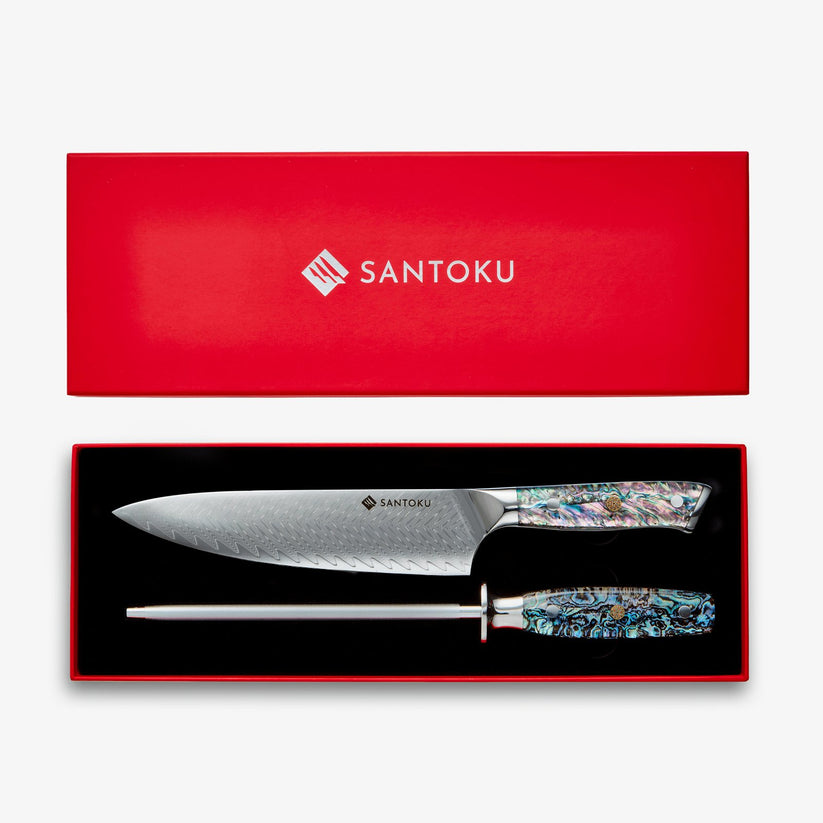
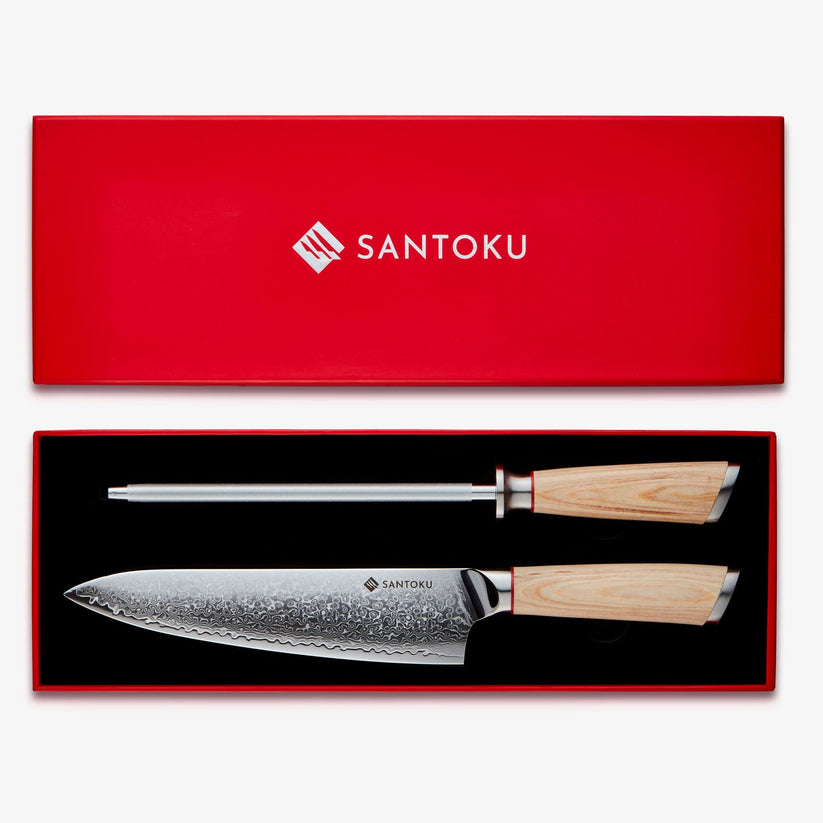
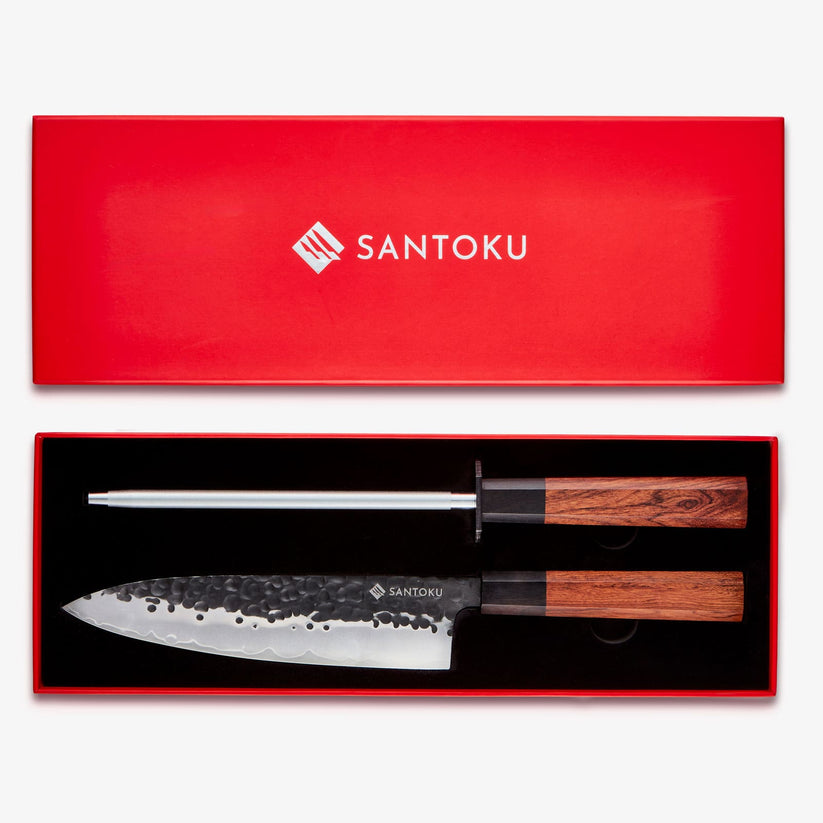
Upgrade Your Kitchen Tools

Make recipe prep easier with professional-grade knives

Browse Collection

10 consigli per cucinare la zuppa di zucca di ghianda

  1. Arrostire la zucca per una maggiore dolcezza e profondità di sapore.
  2. Usa un coltello affilato per tagliare in sicurezza la zucca a metà.
  3. Raccogli i semi facilmente con uno scoop di gelato.
  4. Aggiungi lentamente latte di cocco per regolare la cremosità.
  5. Condire a piacere prima di servire.
  6. Usa un frullatore di immersione per una facile pulizia.
  7. Guarnire con erbe o semi per consistenza e sapore.
  8. Abbina con pane croccante per un pasto completo.
  9. Prepara e refrigera per un massimo di 3 giorni.
  10. Congelare gli avanzi in singoli porzioni per un pasto veloce.

Servilo con suggerimenti

  • Pane francese croccante o pane all'aglio
  • Una rucola fresca e insalata di pera
  • Croutine o carote di Bruxelles arrostite
  • Quinoa o riso pilaf sul lato

FAQ

D: Posso usare un altro tipo di zucca?
UN: Sì, la zucca butternut o la zucca Kabocha funzionano bene come sostituti.

D: Posso congelare questa zuppa?
UN: Sì, lascialo raffreddare completamente, quindi conservare in contenitori ermetici per un massimo di 3 mesi.

D: Posso fare questa zuppa senza latte di cocco?
UN: Assolutamente! Usa il latte di panna o mandorle pesanti per una consistenza cremosa simile.

D: Come posso rendere questa zuppa più piccante?
UN: Aggiungi un pizzico di pepe di Cayenna o scaglie di peperoncino alla miscela.

D: Posso prepararlo in anticipo?
UN: Sì, preparalo con un giorno in anticipo e riscaldalo prima di servire.


Chef's Recommendation

"A sharp knife is your best friend in the kitchen. For recipes like this, I always reach for my Chikashi chef knife - it gives me the control and precision I need for perfect results every time."
Chef's Note: A sharp knife not only makes prep work faster but also safer - dull knives require more pressure and are more likely to slip.

Discover why our Japanese-style knife sets are trusted by home cooks and professionals alike.

Shop Professional Knives →
Torna al blog